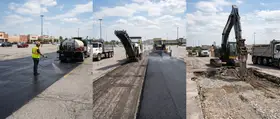
Asphalt maintenance is the scheduled upkeep that keeps a
structurally sound pavement from aging into an expensive one.
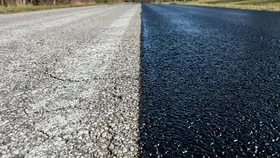
Asphalt fails from the top down: UV, oxygen, and traffic heat
oxidize the binder at the surface, the surface stiffens and
cracks, water gets underneath, and a chemistry problem becomes a
structural one. Every stage of that sequence costs more to fix
than the one before it — which is why maintenance on a schedule
beats repair on an emergency.
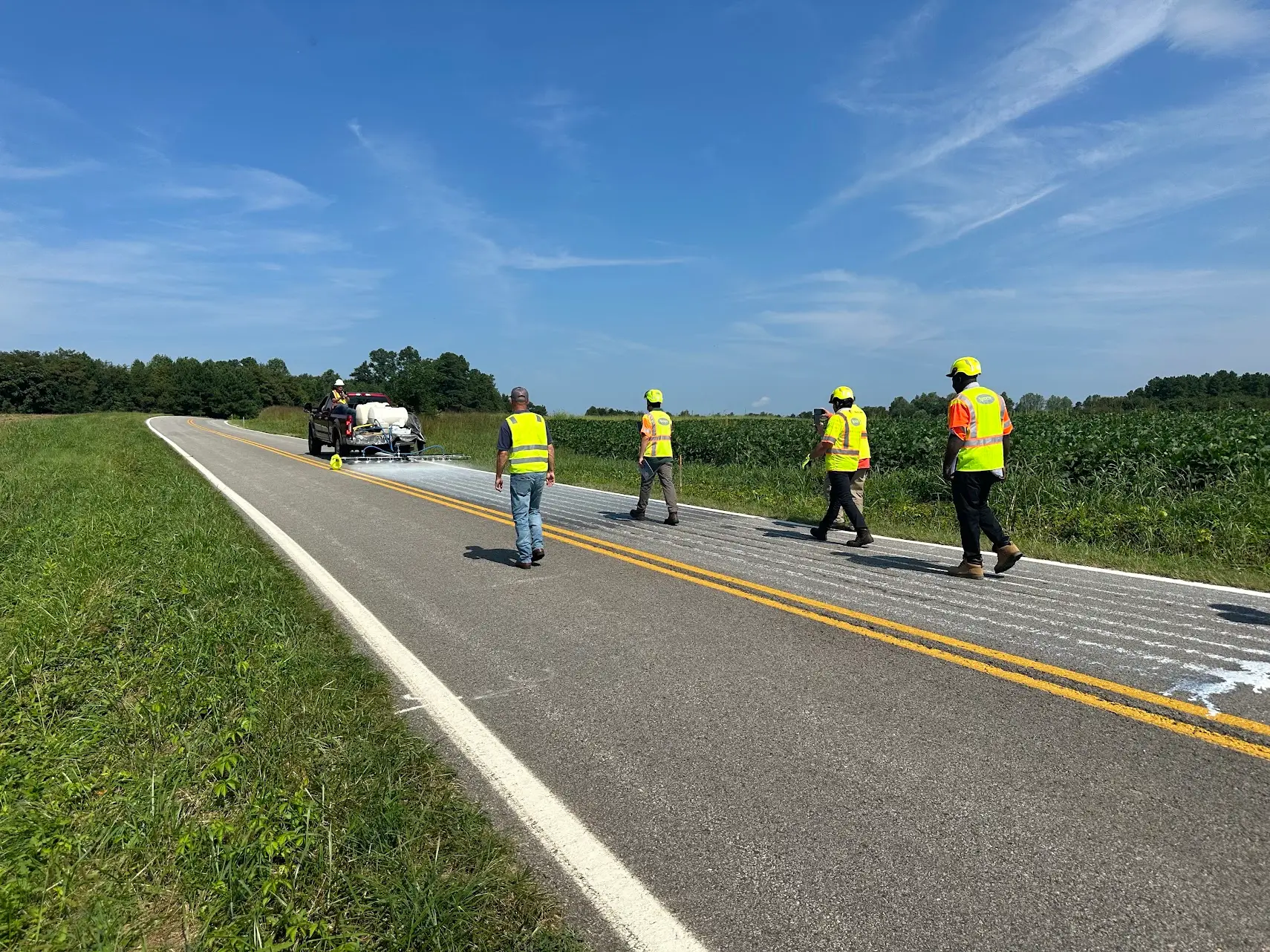
We package that interruption as a program, not a product. Three
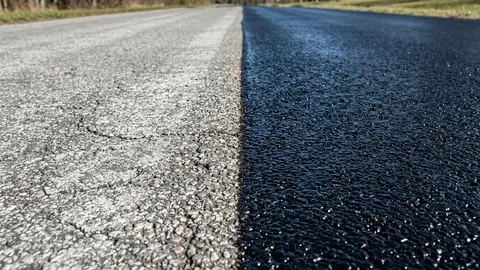
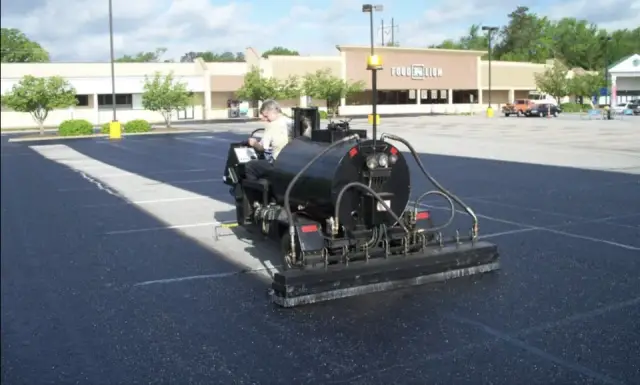
service lines — rejuvenation to reverse the surface chemistry
with the
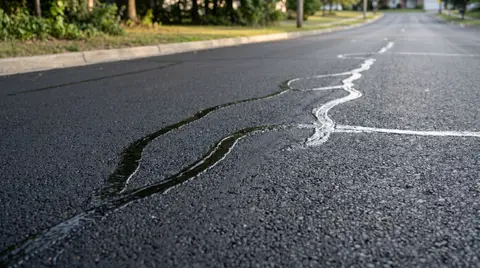
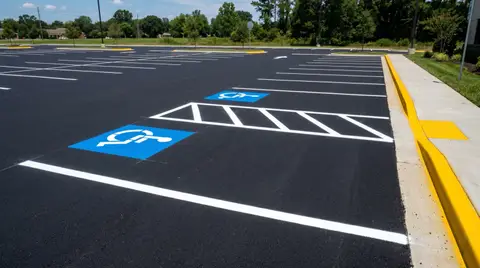
plant-based rejuvenators we apply, crack sealing to keep water out of the structure, and striping
to keep the lot compliant and legible — run on one documented
cycle, scoped from a walkthrough assessment and priced as small,
predictable line items instead of one lumpy capital event. It's
the same discipline public-works agencies call pavement
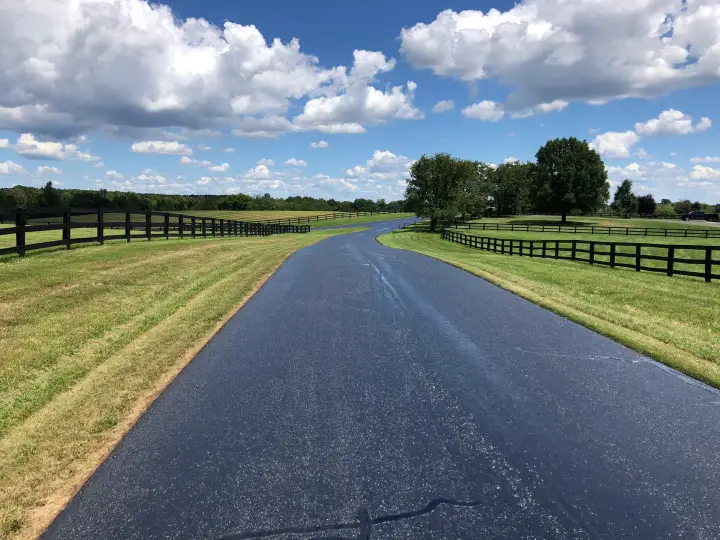
preservation, applied to commercial parking lots, HOA road
networks, and municipal streets.
The program is built for the people who answer for pavement
budgets — property managers, facility directors, HOA boards, and
public-works buyers. Every cycle starts with a documented
assessment (measurements, photos, condition notes), and the
recommendation is straight: if a lot is past preserving, we say
so and price the heavier conversation honestly instead of
spraying a treatment that can't help it.